
Renovating an entire house is one of the biggest projects a homeowner will ever take on. Whether you own a Victorian terrace in Chorlton, a 1930s semi in Didsbury, or a tired post-war property in Salford, knowing the process before the first wall comes down protects your budget, your schedule and your peace of mind.
This guide explains how a professional full home renovation Manchester project works, from the first consultation to the final handover. It covers timelines, costs, permissions and the mistakes worth avoiding.
A complete home renovation in Manchester typically takes 8 to 20 weeks, depending on size, structural changes and specification. The process runs in six stages: consultation, design and permissions, strip-out and structural work, first fix, second fix, and snagging.
What Is a Full Home Renovation?
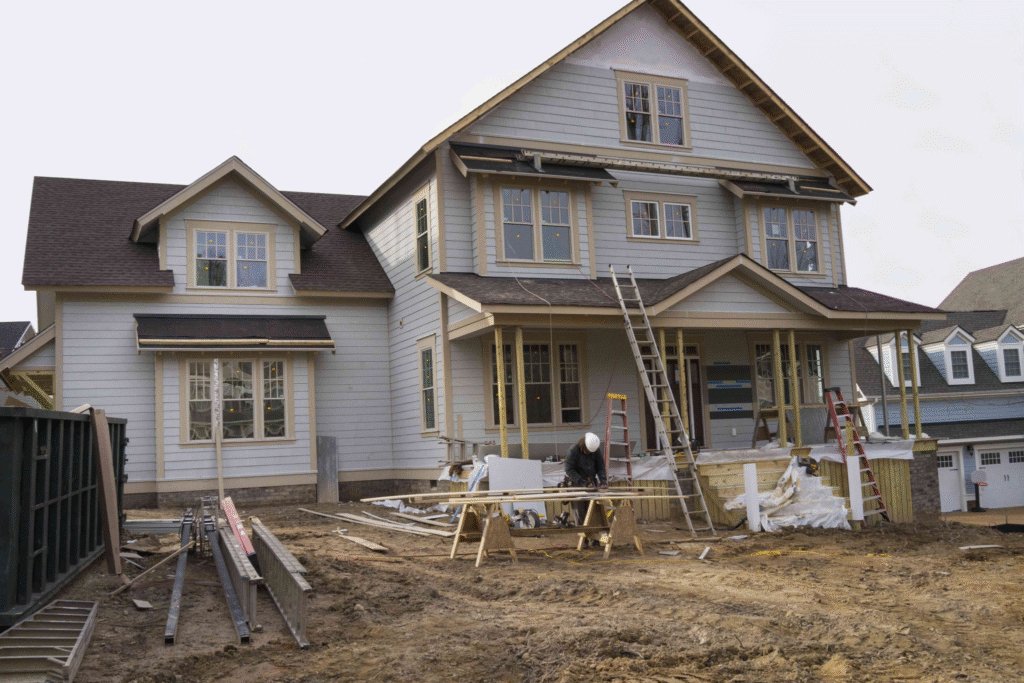
A full home renovation, sometimes called a complete home renovation, means updating most or all of a property in one coordinated project. It goes well beyond redecorating. It can include rewiring, replumbing, new heating, replastering, new flooring, kitchen and bathroom installation, and layout changes.
You may also see the term full house refurbishments. In practice, full house refurbishments and full home renovations describe the same idea: treating the whole property as one project rather than a series of separate jobs. This joined-up approach is usually more efficient, and it avoids the situation where a freshly decorated room gets damaged by later building work.
The Renovation Process, Stage by Stage
Stage 1: Consultation and Survey
Every successful project starts with a conversation. A good contractor visits the property, listens to your goals and inspects its condition. They will check for damp, structural movement, outdated wiring, old plumbing and roof condition. Older Manchester housing stock often hides surprises behind plaster, so a thorough survey at this point reduces costly discoveries later.
You should leave this stage with a clear understanding of what is possible, what is essential and what can wait.
Stage 2: Design, Planning and Permissions
Next come the drawings, specifications and a detailed written quote. This is also when you make major decisions about layout, materials, lighting and fittings. If you want to remove walls, extend or convert a loft, your contractor should tell you which approvals are needed.
Many internal renovations do not need planning permission. However, structural alterations normally require Building Regulations approval, and properties in conservation areas or listed buildings face extra rules. If you share a wall with a neighbour, the Party Wall etc. Act 1996 may also apply. Confirm current requirements with Manchester City Council or your local authority before work begins.
Stage 3: Strip-Out and Structural Work
This is the loudest and messiest phase. Old kitchens, bathrooms, flooring and plaster are removed, and any structural work is carried out, such as installing steel beams for open-plan layouts. Structural changes should always be calculated by a qualified engineer and signed off by building control.
Stage 4: First Fix
First fix is the hidden infrastructure stage. Electricians run new cabling, plumbers install pipework, and heating systems are positioned before the walls are closed up. It is the best moment to add extra sockets, underfloor heating or smart-home wiring, because changes here are cheap while changes later are not.
Stage 5: Plastering and Second Fix
Once the first fix is inspected, walls and ceilings are boarded and plastered. After drying, second fix begins: fitting sockets, switches, radiators, sanitaryware, doors, kitchen units and skirting. Rooms start to look like rooms again, and this is often the most exciting stage for homeowners.
Stage 6: Decorating, Snagging and Handover
Decorating, flooring and final finishes come last. Then comes snagging, a detailed inspection to identify small defects such as paint marks, misaligned doors or unsealed joints. A reliable contractor will fix these promptly and hand over all certificates, including electrical, gas and building control documentation, plus warranty information.
How Long Does a Full Home Renovation Take?
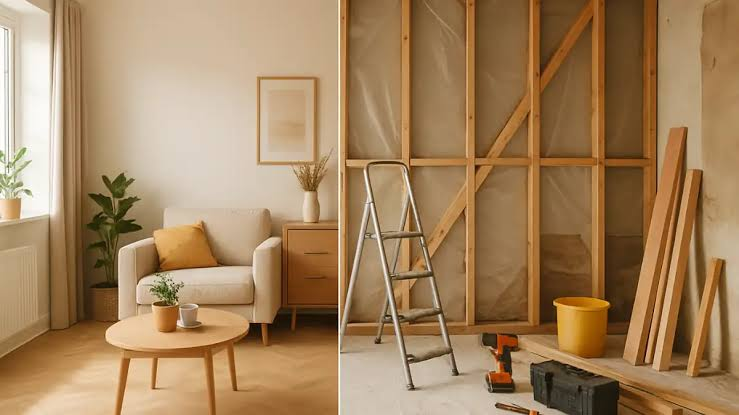
Timelines vary with the size of the property and the level of change. As a general guide:
- Light-to-medium refurbishment (2–3 bedroom house): around 8 to 12 weeks
- Full renovation with layout changes: around 12 to 16 weeks
- Major structural work or extensions included: 16 to 20 weeks or more
Delays usually come from late material deliveries, design changes mid-project or hidden defects. Agreeing your specification early is the single best way to keep the schedule on track.
How Much Does a Full Home Renovation Cost?
Costs depend on the size of the property, its condition and your chosen finishes. As an indicative guide only, many UK whole-house projects fall roughly between £1,200 and £2,500 per square metre, and high-end specifications can exceed that. Prices change, so always request itemised written quotes rather than relying on averages.
When you budget for a professional full home renovation Manchester homeowners should always set aside a contingency of 10 to 15 percent. Older properties can reveal problems such as rotten joists, asbestos or failing drains once work starts, and a contingency stops these from derailing the project.
Renovating in Manchester: Local Considerations
Much of the city’s housing was built between the Victorian era and the mid-twentieth century. That brings character, but it also brings specific challenges: solid brick walls, lath-and-plaster ceilings, lead pipework and older electrics. Home renovation Manchester projects often involve damp treatment, insulation upgrades and rewiring to modern standards.
Location also matters for logistics. Terraced streets in areas such as Chorlton, Withington and Levenshulme can have limited parking and access, which affects skip placement and deliveries. Experienced local teams plan around this. If you search for full house refurbishments near me or full house refurbishments Chorlton, choose a contractor who understands these neighbourhood-specific realities rather than a generic national service.
How to Choose the Right Renovation Contractor

The contractor you choose shapes almost every outcome, from quality to cost to stress. Look for these signs of a trustworthy renovations expert:
- Verifiable experience: completed projects, photographs and client references you can actually check
- Proper insurance: public liability insurance and clear responsibility for the work
- Registered trades: Gas Safe engineers for gas work and qualified electricians for electrical work
- Transparent quotes: itemised pricing, payment stages and a written scope
- Clear communication: a named point of contact and regular progress updates
A company like The Renovation Expert can manage the entire process under one roof, which removes the burden of coordinating separate trades yourself. A single accountable team means fewer gaps, clearer responsibility and a smoother path from design to handover. Whoever you choose, ask for written references and visit a finished project if possible.
Common Mistakes to Avoid
- Choosing the cheapest quote: very low prices often hide omissions that appear later as extras.
- Skipping the survey: unknown defects are the biggest cause of budget overruns.
- Changing the design mid-build: every late change adds cost and delay.
- Ignoring regulations: unapproved structural work can cause problems when you sell.
- Having no contingency fund: older houses almost always contain surprises.
Frequently Asked Questions
Do I need to move out during a full home renovation?
Often, yes, at least for the noisiest and dustiest stages. If the kitchen and bathrooms are being replaced, living on site can be difficult. Some homeowners stay and work room by room, but this usually extends the timeline.
Is a full home renovation worth the investment?
For most owners of older properties, yes. It can improve energy efficiency, safety, comfort and resale value in a single coordinated project. Returns depend on the property, the finish level and the local market.
What is the difference between a renovation and a refurbishment?
The terms overlap heavily. Refurbishment usually refers to cleaning, repairing and updating existing features, while renovation can include deeper structural and layout changes. Many contractors, including those offering full house refurbishments Manchester wide, use both terms for whole-house work.
Who is responsible for getting building regulations approval?
Your contractor should manage or advise on applications, but the property owner is ultimately responsible for compliance. Always confirm this in writing before work starts.
Conclusion
A whole-house project can feel overwhelming, but it becomes far more manageable when you understand the stages: survey, design, strip-out, first fix, second fix and snagging. Set a realistic budget with a contingency, agree your specification early and choose a contractor who is transparent about costs and timelines.
If you are ready to plan a professional full home renovation Manchester residents can trust from start to finish, speak with The Renovation Expert to discuss your property, your goals and your budget. With careful planning and the right team, your house renovation Manchester project can deliver a home that feels new, works better and lasts for decades.